Planning a trip to Marrakech, Morocco? Before you book your accommodation, explore the famous souks, or plan your desert excursions, there are a few important things you should know. From the best time to visit and local customs to transportation, money, safety, and hidden costs, preparing in advance can make your Marrakech holiday much easier and more enjoyable.
Known as the Red City, Marrakech combines historic architecture, lively markets, traditional Moroccan cuisine, peaceful gardens, and modern neighborhoods. The city offers a memorable experience for first-time visitors, couples, families, solo travelers, and anyone interested in Moroccan culture.
However, Marrakech can also feel overwhelming if you arrive without a plan. Its busy medina, narrow streets, unfamiliar customs, changing temperatures, and different transport options require some preparation.
In this guide, you will discover the most important things to know before visiting Marrakech, including practical travel tips, cultural etiquette, budgeting advice, and suggestions for organizing your itinerary.
1. Understand the Different Areas of Marrakech
One of the first things to know before visiting Marrakech is that the city has several distinct areas, each offering a different experience.
The Medina: The Historic Heart of Marrakech
The Medina is the old city, known for its traditional architecture, historic monuments, narrow streets, souks, and lively public spaces. It is one of the main reasons travelers visit Marrakech and forms an essential part of the city’s identity.
The famous Jemaa el-Fnaa square is a central meeting point, particularly lively in the late afternoon and evening. Nearby, you will find markets selling spices, leather goods, textiles, lamps, ceramics, and traditional handicrafts.
Staying in the Medina can be an excellent choice if you want to experience traditional Moroccan accommodation and explore many attractions on foot.
However, keep in mind that some streets are narrow, busy, and difficult to navigate with large suitcases. A riad may also be located some distance from a road accessible to taxis.
Travel tip: Before booking a riad, ask for its exact location, the nearest vehicle-accessible drop-off point, and whether the property can arrange assistance with your luggage.
Gueliz: The Modern Side of Marrakech
Gueliz offers a different atmosphere, with wider streets, contemporary cafés, restaurants, shops, and modern accommodation.
It can be a practical option for travelers who prefer easier vehicle access, familiar amenities, and a less traditional environment.
Gueliz is also worth exploring if you want to experience the contrast between historic Marrakech and its more modern urban life.
Hivernage: Hotels, Restaurants, and Nightlife
Hivernage is known for upscale hotels, restaurants, and evening entertainment. It may appeal to couples, luxury travelers, and visitors who prefer resort-style accommodation.
Before choosing where to stay, consider your priorities: walking access to historic attractions, a quieter environment, nightlife, or convenient transport.
2. Choose the Best Time to Visit Marrakech
Marrakech can be visited throughout the year, but the weather can significantly affect your experience.
Spring: March to May
Spring is often a comfortable season for sightseeing. Temperatures can be pleasant for walking through the Medina, exploring historic sites, and taking day trips.
It is also a popular travel period, so booking accommodation and major attractions in advance is sensible.
Summer: June to August
Summer can be extremely hot, with daytime temperatures sometimes exceeding 40°C.
If you visit during this period, plan outdoor activities early in the morning or later in the afternoon. Take breaks in shaded areas, drink water regularly, and avoid strenuous walking during the hottest hours.
Air conditioning can be particularly important when choosing accommodation.
Autumn: September to November
Autumn can offer another good opportunity to explore the city, particularly as temperatures become more comfortable after summer.
September can still be very hot, so check the forecast close to your departure date rather than assuming that autumn weather will always be mild.
Winter: December to February
Winter days can be sunny and pleasant, but mornings and evenings may be cold. Temperatures can drop considerably after sunset, and some traditional riads may feel chilly indoors.
Pack layers rather than relying exclusively on warm-weather clothing.
What About Ramadan?
Ramadan follows the Islamic lunar calendar, so its dates change each year. During this period, daily routines, restaurant schedules, and opening hours may differ.
Some restaurants and attractions may adjust their schedules, while evenings can become particularly lively after sunset.
Visitors should be respectful of people who are fasting and confirm opening hours before planning their day.
Best general advice: Spring and autumn are often good starting points when choosing travel dates, but the ideal season depends on your tolerance for heat, budget, and preferred activities.
3. Dress Comfortably and Respect Local Customs
Marrakech welcomes visitors from around the world, and tourists will see a variety of clothing styles, particularly in modern neighborhoods and tourist areas.
Nevertheless, modest clothing is generally a considerate choice when visiting traditional neighborhoods, religious surroundings, or less tourist-oriented areas.
Lightweight trousers, longer skirts, breathable shirts, and comfortable walking shoes are practical options. During summer, choose breathable fabrics that help you stay cool.
When visiting a place of worship or another site with specific dress requirements, follow the rules displayed by the venue. Not every religious site is open to non-Muslim visitors.
A light scarf can be useful for sun protection and for situations where additional coverage is appropriate.
Cultural respect also extends beyond clothing. Ask permission before photographing people, respect requests not to be photographed, and avoid treating local residents as tourist attractions.
4. Learn a Few Useful Words in Moroccan Arabic
Morocco has several commonly used languages. Moroccan Arabic, known as Darija, is widely spoken in everyday life. Amazigh languages are also spoken, and French is frequently used in tourism and business. English is understood by many people working in tourist areas, although proficiency varies.
Learning a few simple expressions can make interactions more pleasant.
| Expression | Meaning |
|---|---|
| Salam alaykum | Hello / Peace be upon you |
| Shukran | Thank you |
| Afak | Please |
| La, shukran | No, thank you |
| Bslama | Goodbye |
| Bshhal? | How much is it? |
You do not need to speak Arabic fluently to enjoy Marrakech. A friendly greeting, a little patience, and respectful communication go a long way.
If you do not understand a price or direction, ask the person to repeat it or write it down before agreeing.
5. Understand How Shopping and Bargaining Work
Shopping in the souks is one of the classic Marrakech experiences. You can find traditional ceramics, leather products, lanterns, carpets, clothing, spices, and other handicrafts.
In some traditional markets, bargaining is part of the shopping experience. In other shops, particularly businesses with clearly displayed prices, negotiation may not be expected.
Before bargaining, decide what you are comfortable paying. You are not obliged to purchase anything simply because you have discussed a price.
A few useful rules can help:
- Ask the price before accepting a product or service.
- Compare similar products at different stalls.
- Agree on the final price before the transaction.
- Check the item carefully before paying.
- Walk away politely if the price does not suit your budget.
- Avoid assuming that every shop uses the same pricing system.
Be cautious when someone offers an unsolicited guided tour or says that a market, street, or attraction is closed and that they can show you an alternative. Verify the information independently before following them.
The best approach is to remain friendly, confident, and clear about what you want.
6. Carry Moroccan Dirhams and Plan Your Budget
The official currency of Morocco is the Moroccan dirham, abbreviated as MAD or DH.
Cards are accepted by many hotels, restaurants, and larger businesses, but cash remains useful for small purchases, local markets, some taxis, and places that do not accept international cards.
ATMs are available in urban areas, but it is wise not to rely on a single payment method.
Practical Money Tips
- Carry some cash in small denominations.
- Check your bank’s foreign transaction and withdrawal fees.
- Use reputable exchange offices or banks.
- Check the amount and currency before confirming a card payment.
- Keep a backup payment method separate from your main wallet.
- Avoid carrying more cash than you reasonably need for the day.
What Should You Budget For?
Your total spending will depend on your accommodation, dining preferences, transport, activities, and shopping.
A useful travel budget should account for:
- Accommodation.
- Meals, snacks, and drinks.
- Local transport.
- Entrance fees.
- Guided tours and excursions.
- Shopping and souvenirs.
- Travel insurance and unexpected expenses.
Entrance fees and opening hours can change. Treat online prices as indicative unless the attraction confirms the current rate.
For a more useful estimate, create a daily budget and include a contingency for unexpected expenses. This is especially helpful if you plan several paid attractions or day trips.
7. Choose Your Accommodation Carefully
Marrakech offers many accommodation styles, from traditional riads in the Medina to modern hotels, guesthouses, and resorts.
A riad typically features an interior courtyard and may offer a quieter atmosphere behind the surrounding streets. Staying in one can be a memorable way to experience traditional architecture.
However, not all riads offer the same facilities. Some have steep staircases, limited accessibility, small rooms, or no elevator. Air conditioning, heating, sound insulation, and breakfast arrangements also vary.
Before booking, check:
- The exact location and distance from the main road.
- Recent guest reviews from multiple sources.
- Air conditioning or heating, depending on the season.
- Whether breakfast is included.
- Cancellation terms and additional fees.
- Luggage access and accessibility requirements.
- Whether the property can arrange an airport transfer.
If this is your first visit, choose accommodation with clear directions and reliable communication. A slightly more convenient location can save time and reduce stress.
8. Know How to Get Around Marrakech
Transport is an important part of planning your Marrakech trip, especially if you intend to visit attractions outside the historic center.
Walking
Walking is one of the best ways to explore the Medina. You can discover small streets, traditional shops, architectural details, and places that are difficult to reach by car.
Wear comfortable shoes, keep your phone charged, and allow extra time for navigation.
Some lanes can be crowded, and local vehicles or scooters may pass through narrow streets. Stay aware of your surroundings.
Taxis
Taxis can be useful for traveling between neighborhoods, reaching accommodation, and getting to the airport.
Before starting a journey, confirm how the fare will be calculated and whether the driver will use the meter where applicable. If a fixed price is proposed, agree on it before departing.
Do not assume that a fare quoted by one driver represents the standard price for every journey.
Buses
Public buses can provide an economical way to travel around the city. However, routes, timetables, and ticket arrangements may not be as familiar to first-time visitors.
Check current information before relying on a particular service.
Private Transfers and Rental Cars
A private transfer may be convenient when arriving with luggage or staying somewhere difficult to reach.
A rental car can be useful for regional excursions, but driving in busy urban areas may be challenging if you are unfamiliar with local traffic and parking conditions.
For trips outside Marrakech, compare travel time, pickup arrangements, and the total cost before choosing a transport option.
9. Stay Aware of Common Tourist Scams and Safety Issues
Marrakech is a major tourist destination, but visitors should use the same common sense they would use in any busy city.
Be especially attentive in crowded markets, around transport hubs, and in busy public spaces.
Unsolicited Guiding
Someone may offer to show you a shortcut, accompany you to an attraction, or take you to a particular shop.
If you want a guide, choose a service with clear terms and agree on the price and duration in advance. You can politely decline unsolicited assistance.
Unclear Prices
Always confirm the price before accepting a taxi ride, guided service, or other paid activity.
If you are unsure what is included, ask for clarification before agreeing.
Crowded Areas
Keep valuables secure and avoid displaying large amounts of cash. Use a bag that closes securely, particularly in busy markets.
Photos and Performances
Ask about charges before taking part in a paid activity or accepting a service connected with photography or entertainment.
Respect people’s privacy and ask permission before taking close-up photographs of individuals.
General Safety
Keep emergency contacts accessible, tell someone your plans if traveling alone, and use well-established transport and accommodation providers.
If a situation makes you uncomfortable, remain calm, decline politely, and move toward a busier public area or a business where you feel comfortable asking for help.
The objective is not to approach every interaction with suspicion. It is to understand prices, boundaries, and expectations before committing.
10. Explore Jemaa el-Fnaa at Different Times of Day
Jemaa el-Fnaa is one of Marrakech’s best-known public spaces and an important part of the city’s cultural identity.
During the day, the square has a different atmosphere from the evening, when food stalls, performers, and crowds can make the area especially lively.
Visiting at more than one time of day lets you experience its changing character.
Nearby streets and terraces offer places to stop for a drink or observe the activity from a comfortable distance.
If you plan to eat at a food stall, look at the displayed prices and ask what is included before ordering. Choose a place where food appears to be handled and prepared hygienically.
Keep personal belongings secure in crowded areas, and allow extra time to move through the square during busy periods.
11. Plan Your Must-See Attractions in Advance
Marrakech has more attractions than many visitors can comfortably fit into a short stay.
The key is to group nearby sites together instead of crossing the city repeatedly.
Bahia Palace
Bahia Palace is known for its architectural details, courtyards, decorative work, and historic atmosphere. Allow time to explore the different areas rather than treating it as a quick photo stop.
Ben Youssef Madrasa
This historic educational complex is noted for its architecture and decorative craftsmanship. Check current access arrangements and ticket information before visiting.
Saadian Tombs
The Saadian Tombs offer a glimpse into the city’s dynastic history and architectural heritage. They can be combined with other historic sites in the southern part of the Medina.
Koutoubia Mosque and Its Surroundings
The Koutoubia minaret is one of Marrakech’s most recognizable landmarks. Visitors can admire the exterior and surrounding public spaces, while access to the mosque itself is subject to religious-site rules.
Majorelle Garden
Majorelle Garden is a popular attraction known for its distinctive colors and botanical setting. Confirm current ticket arrangements and any separate admission requirements before visiting.
The Medina and Souks
Allow time to explore the markets without rushing. You may discover workshops, small courtyards, traditional products, and streets that are not part of a standard sightseeing route.
Menara Gardens
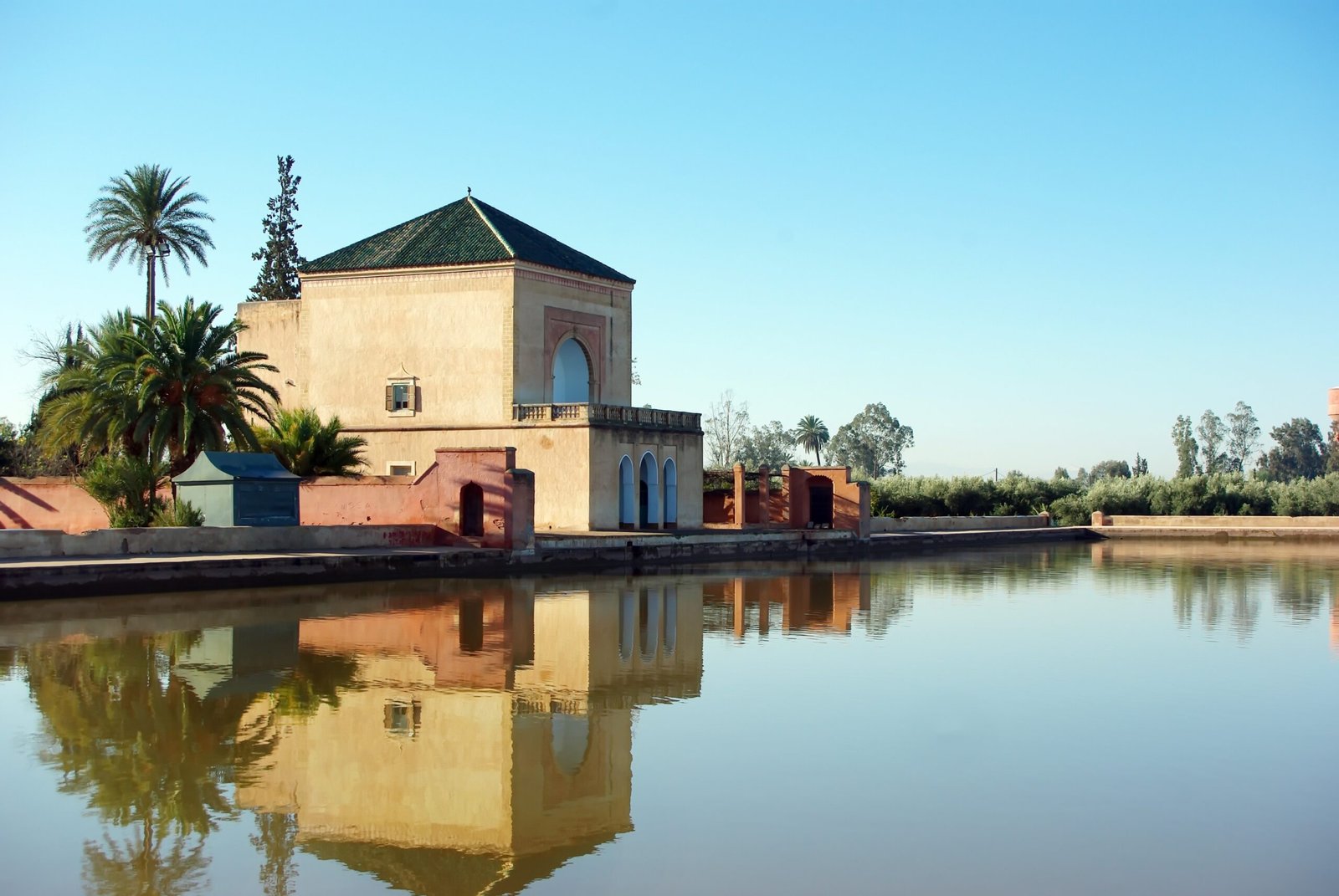
Menara Gardens offer a different atmosphere from the busy Medina, with open spaces and an iconic basin. They can be a useful addition to a day when you want a break from the crowds.
The Moroccan National Tourist Office provides an overview of Marrakech’s main attractions and cultural highlights. Use official or venue-managed information to confirm current access details before your visit.
12. Try Traditional Moroccan Food
Food is an important part of the Marrakech experience. The city offers everything from traditional home-style cooking to contemporary restaurants and international cuisine.
Some dishes and foods to look for include:
- Tagine: A slow-cooked dish prepared in a traditional conical cooking vessel.
- Couscous: A traditional dish often served with vegetables and meat, depending on the preparation.
- Tanjia: A specialty associated with Marrakech, traditionally slow-cooked with meat and seasoning.
- Harira: A soup commonly associated with Ramadan, although it can be enjoyed at other times.
- Pastilla: A layered pastry that may combine sweet and savory flavors.
- Mint tea: A well-known part of Moroccan hospitality.
- Freshly prepared Moroccan salads: Often served alongside main dishes.
If you have food allergies or dietary restrictions, explain them clearly and confirm ingredients before ordering.
When choosing street food, observe food handling, cleanliness, and turnover. Drink bottled or otherwise reliably treated water if you are uncertain about local water quality, and use common food-safety precautions.
Trying local dishes is a wonderful way to understand the city, but there is no need to rush through every specialty in one day.
13. Understand Tipping and Service Charges
Tipping practices can vary depending on the type of service and the establishment.
You may encounter tipping in restaurants, cafés, accommodation, guided tours, and personal services. Some bills may already include a service charge, so check before deciding whether to leave anything extra.
For guided tours, agree on the service and price beforehand. For luggage assistance or other optional services, clarify any expected payment before accepting help.
There is no single amount that applies to every situation. Consider the quality of service, local expectations, and your own budget.
14. Take Care of Your Health in the Heat
Heat management is particularly important if you visit Marrakech in summer.
Carry water, use sun protection, and plan breaks during the hottest part of the day. A hat, sunglasses, sunscreen, and comfortable clothing can make sightseeing more pleasant.
Avoid assuming that a short walk will always be easy in high temperatures. Distances can feel longer when streets are crowded or shaded areas are limited.
If you feel dizzy, unusually weak, nauseated, or overheated, stop exercising, move to a cooler place, and seek medical assistance if symptoms are serious or do not improve.
Travelers with medical needs should bring necessary medication and confirm that they have appropriate travel insurance.
15. Prepare for Day Trips Outside Marrakech
Marrakech can also serve as a starting point for excursions into the surrounding region.
Depending on your interests, you might consider:
- The Atlas Mountains.
- The Agafay area.
- Ouzoud Falls.
- Essaouira on the Atlantic coast.
- Other regional destinations suitable for a full-day or multi-day trip.
These places are not interchangeable in terms of distance, scenery, or travel time. Some require several hours on the road, while others may involve walking, uneven terrain, or specific transport arrangements.
Before booking an excursion, confirm what is included, the expected departure and return times, the transport arrangements, meal costs, and any additional activity fees.
For mountain or rural excursions, check weather conditions and follow the guidance of reputable local operators.
Do not assume that every excursion can comfortably be completed in half a day. Choose trips according to the time available and your preferred pace.
16. How Many Days Do You Need in Marrakech?
The ideal length of stay depends on your interests and whether you want to explore beyond the city.
One Day in Marrakech
Focus on the Medina, Jemaa el-Fnaa, a small number of historic attractions, and a traditional meal.
Choose attractions that are reasonably close to one another, and do not attempt to see everything.
Two to Three Days
This is a useful starting point for first-time visitors.
You can explore the historic center, visit selected monuments and gardens, spend time in the souks, and enjoy local food without rushing every activity.
Four to Five Days
A longer stay gives you more flexibility to explore additional museums, gardens, modern neighborhoods, and a day trip outside the city.
You can also leave time for relaxation, shopping, and unexpected discoveries.
One Week
A week allows for a slower pace and several excursions, depending on your interests.
You could spend several days in Marrakech itself and reserve other days for carefully chosen regional trips. Remember to account for driving time rather than counting only the hours spent at each attraction.
17. What to Pack for Marrakech
Your packing list should reflect the season and the type of activities you plan to do.
Useful items include:
- Comfortable walking shoes.
- Lightweight, breathable clothing.
- A light layer for cooler evenings or winter mornings.
- A scarf or other versatile covering.
- Sunscreen, sunglasses, and a hat.
- A reusable water bottle, where practical.
- A small day bag with secure closures.
- A phone charger and power bank.
- Any necessary medication.
- A copy of important travel documents.
- A payment card and some Moroccan dirhams.
If you are staying in a traditional riad, check whether it provides toiletries, heating, air conditioning, and other facilities you expect.
For excursions, pack according to the activity. Mountain trips may require warmer layers, while long sightseeing days call for sun protection and comfortable footwear.
18. Common Mistakes to Avoid in Marrakech
A little preparation can prevent several common travel frustrations.
Trying to see everything in one day. Distances, queues, and time spent exploring can make a packed itinerary unrealistic.
Booking accommodation without checking access. A beautiful riad may be difficult to reach by vehicle or may require walking with luggage.
Assuming every price is fixed or every price is negotiable. Pricing practices vary by business and service.
Ignoring the weather. Extreme summer heat can affect how much you can comfortably do.
Following unsolicited directions without checking. Use a map or verify the location before changing your route.
Forgetting to confirm opening hours. Attractions may change schedules or close temporarily. Check before departure.
Underestimating travel time for excursions. A distant destination may require an entire day or longer.
Not leaving room in the budget. Shopping, extra transport, snacks, and unexpected expenses can add up.
Treating online information as guaranteed. Prices, schedules, transport services, and access rules can change. Confirm important details before visiting.
19. A Simple Three-Day Marrakech Itinerary
If this is your first trip, the following itinerary offers a balanced starting point. Adjust it to your interests, mobility, the weather, and current opening arrangements.
Day 1: Discover the Historic Medina
Morning: Begin with a walk through the Medina and visit one or two historic attractions, such as Bahia Palace or Ben Youssef Madrasa, subject to opening hours.
Afternoon: Explore the souks and take a break at a café or restaurant.
Evening: Visit Jemaa el-Fnaa and experience the square’s evening atmosphere.
Day 2: Gardens, Culture, and Modern Marrakech
Morning: Visit Majorelle Garden if tickets and access arrangements suit your schedule.
Afternoon: Explore Gueliz, visit a museum, or enjoy a relaxed lunch.
Evening: Choose a restaurant or experience that introduces you to Moroccan cuisine and hospitality.
Day 3: A Flexible Day for History or an Excursion
Option A: Explore additional historic sites, Menara Gardens, and parts of the city you missed.
Option B: Take a regional excursion if the journey fits your available time and budget.
Before committing to an excursion, confirm its duration, transport, inclusions, and expected return time.
This itinerary is a planning framework, not a guarantee of attraction opening hours or travel times.
20. Final Travel Tips Before You Go
Before leaving for Marrakech, take a few minutes to review your plans.
- Check your travel documents and any applicable entry requirements.
- Confirm your accommodation and arrival arrangements.
- Save the address of your accommodation offline.
- Check current opening hours for attractions you consider essential.
- Prepare a realistic budget in Moroccan dirhams.
- Decide how you will get from the airport or station to your accommodation.
- Keep copies of important documents and emergency contacts.
- Leave some free time for spontaneous discoveries.
- Respect local customs and ask permission before photographing people.
- Remember that estimates and published schedules can change.
Frequently Asked Questions About Visiting Marrakech
Is Marrakech suitable for first-time visitors to Morocco?
Yes. Marrakech offers a wide variety of accommodation, restaurants, attractions, and transport options. First-time visitors can make the trip easier by planning their accommodation location, checking current opening hours, and allowing enough time to explore.
What is the best month to visit Marrakech?
Spring and autumn are often good choices for comfortable sightseeing. However, weather conditions vary, and summer can be extremely hot. Check the forecast before choosing your travel dates.
Is three days enough for Marrakech?
Three days can provide a good introduction to the Medina, selected historic attractions, gardens, food, and markets. A longer stay is preferable if you want to explore more attractions or take regional excursions.
What currency should I use in Marrakech?
The official currency is the Moroccan dirham (MAD). Cards are accepted in many establishments, but cash is useful for smaller purchases and some services.
Should I book Marrakech attractions in advance?
Booking ahead can be useful for popular attractions, particularly during busy travel periods. Check the attraction’s official or authorized booking information to confirm current requirements.
Is it easy to walk around Marrakech?
Many attractions in the Medina can be explored on foot, but the streets may be crowded, narrow, and confusing for first-time visitors. Wear comfortable shoes and keep a map available.
Are prices and opening hours always accurate online?
No. Prices, schedules, and access arrangements may change. Treat online information as a guide and confirm important details with the attraction or its management before visiting.
What should I wear in Marrakech?
Comfortable, breathable clothing is practical, particularly in hot weather. Modest clothing is a considerate choice in traditional neighborhoods and religious surroundings. Follow any specific dress requirements at individual sites.
Plan Your Marrakech Trip with BigTravelTips
Marrakech is a destination best enjoyed with a balance of preparation and flexibility. Its historic Medina, traditional markets, architectural heritage, gardens, food, and modern neighborhoods offer plenty to discover, whether you are visiting for a weekend or planning a longer Moroccan adventure.
The most useful preparation is not to plan every minute. Instead, choose the attractions that matter most to you, group nearby places together, estimate your daily spending, and confirm practical details before you leave.
Ready to organize your Marrakech adventure? Use BigTravelTips to explore the destination, discover tourist attractions, prepare a practical itinerary, and estimate your travel budget. Keep your plans flexible, check changing prices and opening hours, and leave time to enjoy the unexpected.
Your Marrakech trip will be easier to organize when you know what to expect before you arrive.